Today, I am reading: New robots patrolling for 'anti-social behaviour' causing unease in Singapore streets
Vocabulary:
Sheriff/ˈʃerɪf/ cảnh sát trưởng
Unnerving /ˌʌnˈnɜːvɪŋ/ kinh khủng
Weapon /ˈwepən/ vũ khí
Undesirable /ˌʌndɪˈzaɪərəbl/ không mong muốn
Desirable /dɪˈzaɪərəbl/ mong muốn
Unaothorised /ʌnˈɔːθəraɪzd/ không được phép
Patrol /pəˈtrəʊl/ tuần tra
Estate /ɪˈsteɪt/ vùng đất, tài sản, điền trang
Footage /ˈfʊtɪdʒ/ cảnh quay
Dystopian /dɪsˈtəʊpiən/ loạn luân
Curb /kɜːb/ sự kìm lại, hạn chế
Liberty /ˈlɪbəti/ sự tự do, quyền tự do
Ease /iːz/ sự thanh thản, sự thoải mái, sự không bị ràng buộc
Intrusive /ɪnˈtruːsɪv/ xâm nhập
Inhabitant /ɪnˈhæbɪtənt/ cư dân
Impede /ɪmˈpiːd/ cản trở
Advocate /ˈædvəkət/ biện hộ
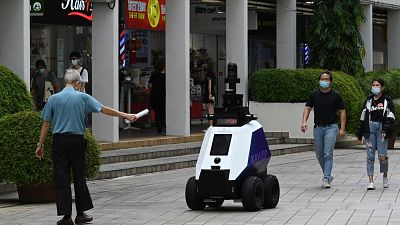
There are new sheriffs in town in Singapore, and they are unnerving many who live there.
Called "Xavier," the robots are equipped with seven cameras that enable them to detect "undesirable social behaviour," for instance if you incorrectly park your bike, if you smoke in an unauthorised area or if social distancing is not being respected.
Có những cảnh sát trưởng mới ở thị trấn ở Singapore, và họ khiến nhiều người sống ở đó khiếp sợ.
Được gọi là "Xavier", robot được trang bị bảy camera cho phép chúng phát hiện "hành vi xã hội không mong muốn", chẳng hạn như nếu bạn đỗ xe không đúng cách, nếu bạn hút thuốc ở khu vực không được phép hoặc nếu không tôn trọng xã hội.
According to project manager Michael Lim, these machines are a new weapon against insecurity.
Theo giám đốc dự án Michael Lim, những cỗ máy này là một vũ khí mới chống lại sự mất an ninh.
"If the robot is around and something happens, the people in the control room will have a trace and will be able to see what happened”, he said.
“Nếu robot ở xung quanh và có điều gì đó xảy ra, những người trong phòng điều khiển sẽ có dấu vết và có thể thấy những gì đã xảy ra”, ông nói.
The robots initially patrolled a housing estate and a shopping centre as part of a 3-week trial in September.
Ban đầu, các robot đã tuần tra một khu nhà ở và một trung tâm mua sắm trong khuôn khổ cuộc thử nghiệm kéo dài 3 tuần vào tháng 9.
So far, they are dividing public opinion.
Cho đến nay, họ đang gây chia rẽ dư luận.
"I think it's good from a security perspective, to ensure safety in the society, so if anything happens, you still got the footage to trackback," Fu Suan Kian, an engineer, told AFP.
Fu Suan Kian, một kỹ sư, nói với AFP: “Tôi nghĩ điều đó tốt ở góc độ an ninh, để đảm bảo an toàn cho xã hội, vì vậy nếu có bất cứ điều gì xảy ra, bạn vẫn có những thước phim để theo dõi.
"It reminds me of Robocop," said Frannie Teo, a 34-year-old research assistant, who was walking through the shopping centre.
“Nó làm tôi nhớ đến Robocop,” Frannie Teo, một trợ lý nghiên cứu 34 tuổi, người đang đi bộ qua trung tâm mua sắm, nói.
"It brings to mind a dystopian world of robots... I'm just a bit hesitant about that kind of concept," she added.
"Nó gợi nhớ đến một thế giới người máy lạc hậu ... Tôi chỉ hơi do dự về loại khái niệm đó," cô nói thêm.
Singapore: An overly secure nation?
Singapore is frequently criticised for curbing civil liberties and people are accustomed to tight controls, but there is still growing unease at intrusive tech, according to AFP.
Singapore thường xuyên bị chỉ trích vì hạn chế quyền tự do dân sự và người dân đã quen với các biện pháp kiểm soát chặt chẽ, nhưng vẫn ngày càng có nhiều bất an trước công nghệ xâm nhập, theo AFP.
The island of 5.5 million inhabitants has seen an arsenal of surveillance technology installed in the streets across the tightly controlled city-state.
Hòn đảo có 5,5 triệu dân này đã chứng kiến một kho vũ khí công nghệ giám sát được lắp đặt trên các đường phố trên toàn thành phố được kiểm soát chặt chẽ.
It already has some 90,000 police cameras - a number set to double by 2030 - in place and appears to be on the lookout for the newest technologies, such as facial recognition devices installed on lampposts, to help authorities pick out faces in a crowd.
Nó đã có khoảng 90.000 camera cảnh sát - con số sẽ tăng gấp đôi vào năm 2030 - tại chỗ và dường như đang chú ý đến các công nghệ mới nhất, chẳng hạn như thiết bị nhận dạng khuôn mặt được lắp đặt trên các cột đèn, để giúp các nhà chức trách nhận ra khuôn mặt trong đám đông.
Digital rights activist Lee Yi Ting said the devices are the latest way Singaporeans are being watched.
Nhà hoạt động về quyền kỹ thuật số Lee Yi Ting cho biết các thiết bị này là cách mới nhất mà người dân Singapore đang bị theo dõi.
"It all contributes to the sense people... need to watch what they say and what they do in Singapore to a far greater extent than they would in other countries," she said.
Bà nói: “Tất cả góp phần làm cho mọi người cảm thấy ... cần phải xem những gì họ nói và những gì họ làm ở Singapore so với những gì họ làm ở các nước khác.
"It's (the robot) dystopian because of the extent to which we are visibly surveilled. But I think that what's more dystopian for me is that it is normalised and that people are not responding much to this at all".
"Đó là (robot) loạn dưỡng vì mức độ mà chúng ta được khảo sát một cách rõ ràng. Nhưng tôi nghĩ rằng điều khó hiểu hơn đối với tôi là nó được bình thường hóa và mọi người không phản ứng nhiều với điều này".
The government’s response to the patrolling robots is a need to address an impending labour shortage as the population ages.
Phản ứng của chính phủ đối với robot tuần tra là nhu cầu giải quyết tình trạng thiếu lao động sắp xảy ra khi dân số già đi.
"The workforce is actually shrinking," explained Ong Ka Hing, from the government agency that developed the Xavier robots, adding they could help reduce the number of officers needed for foot patrols.
Ong Ka Hing, từ cơ quan chính phủ phát triển robot Xavier, giải thích: “Lực lượng lao động thực sự đang bị thu hẹp, cho biết thêm rằng chúng có thể giúp giảm số lượng sĩ quan cần thiết cho các cuộc tuần tra đi bộ.
Singapore is not the first country in which robots are being used to by law enforcement.
Singapore không phải là quốc gia đầu tiên sử dụng robot trong cơ quan thực thi pháp luật.
In Hawaii, police in Honolulu have been using a robot dog to take homeless people's temperatures. It's a safer way to check for COVID-19 symptoms, authorities said.
Ở Hawaii, cảnh sát ở Honolulu đã sử dụng một con chó robot để đo nhiệt độ của những người vô gia cư. Các nhà chức trách cho biết đây là một cách an toàn hơn để kiểm tra các triệu chứng COVID-19.
But again, these robots have not been met with much enthusiasm from the public with local civil rights advocates decrying the use of robots as dehumanising for some of Honolulu's most vulnerable
Nhưng một lần nữa, những con robot này không được công chúng đón nhận nhiệt tình với những người ủng hộ dân quyền địa phương chê bai việc sử dụng robot như hành động khử nhân tính đối với một số cư dân dễ bị tổn thương nhất của Honolulu.
Nhận xét
Đăng nhận xét