Today, I am reading: Scientists solve the mystery of how Easter Islanders were able to drink water straight from the sea
kỳ quặc/kwɜːk/ kỳ quặc
drone/drəʊn/ máy bay không người lái
gain/ɡeɪn/ thu được
harassed/ˈhærəst/ bị quấy rối
harness/ˈhɑːnɪs/ khai thác
nourish/ˈnʌrɪʃ/ nuôi
postdoctoral/ˌpəʊstˈdɒktərəl/ hậu tiến sĩ
anthropology/ˌænθrəˈpɒlədʒi/ nhân học
sink/sɪŋk/ bồn rửa
porous/ˈpɔːrəs/ xốp
bedrock/ˈbedrɒk/ nền tảng
aquifer/ˈækwɪfə(r)/ tâng chứa nước
sediment/ˈsedɪmənt/ trầm tích
pocket/ˈpɒkɪt/ túi
trickle/ˈtrɪkl/ nhỏ giọt
utilize/ˈjuːtəlaɪz/ tận dụng
thermal/ˈθɜːml/ nhiệt
shoreline /ˈʃɔːlaɪn/ đường bờ
tháo ra được/ʌnˈpælətəbl/ unplatable
inhabitant/ɪnˈhæbɪtənt/ cư dân
prone /prəʊn/ dễ bị
vulnerable/ˈvʌlnərəbl/ dễ bị tổn thưởng
scarcity/ˈskeəsəti/ sự khan hiếm
exacerbate/ɪɡˈzæsəbeɪt/ làm trầm trọng thêm
grant/ɡrɑːnt/ khoản trợ cấp
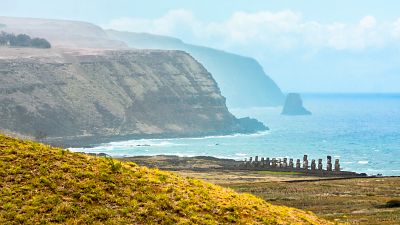
When Europeans first arrived at Easter Island, they were surprised to see Indigenous people drinking directly from the sea. Along with the island’s famous giant Moai statues, this quirk of nature was added to the local list of mysteries.
Researchers later learned that the drinking water supply came from freshwater ‘coastal seeps’. But this month, they uncovered even more.
With the help of drones, researchers gained a deeper understanding of how the people of Rapa Nui historically harnessed the water supply to nourish local communities. This research may even pave the way for future studies on water, drought and drought prevention.
Using technology to find freshwater at sea
According to Robert DiNapoli, a postdoctoral research associate in environmental studies and anthropology at Binghamton University, rainwater at Easter Island sinks directly through porous bedrock into an underground aquifer (a body of porous rock or sediment where water is concentrated).
This then surfaces along the coastline as something known as ‘coastal seeps’ — pockets of freshwater that trickle into the ocean.
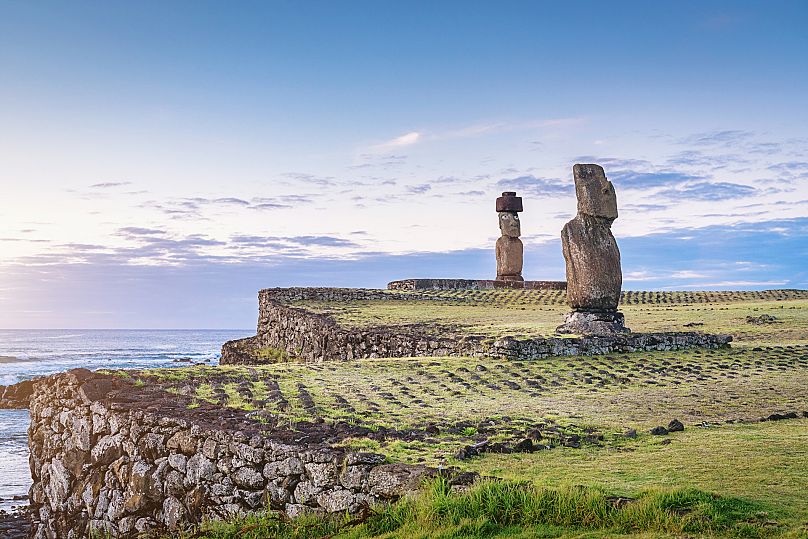
The study, conducted by DiNapoli and fellow researchers at Binghamton University adopted modern technology to locate pockets of this coastal seep, allowing for a more systematic approach to finding fresh water.
Nghiên cứu do DiNapoli và các nhà nghiên cứu đồng nghiệp tại Đại học Binghamton thực hiện đã áp dụng công nghệ hiện đại để xác định vị trí các túi của vết thấm ven biển này, cho phép tiếp cận có hệ thống hơn trong việc tìm kiếm nước ngọt.
The researchers utilised drone technology with thermal imaging cameras to identify the coastal seep, a practice used in similar studies in places such as Hawai’i.
Các nhà nghiên cứu đã sử dụng công nghệ bay không người lái với các camera ảnh nhiệt để xác định vết thấm ven biển, một phương pháp được sử dụng trong các nghiên cứu tương tự ở những nơi như Hawai’i.
DiNapoli explains that at some of these locations on the shoreline, there is so much water coming out of the seeps that it's basically fresh. “It's somewhat salty, but not unpalatably salty… It's just not the best-tasting water, basically."
DiNapoli giải thích rằng tại một số địa điểm này trên bờ biển, có rất nhiều nước chảy ra từ các vết thấm nên về cơ bản là nước ngọt. “Nó hơi mặn, nhưng không mặn quá… Về cơ bản, nó không phải là loại nước ngon nhất.”
Uncovering historical waterways
Anthropologists found that in addition to harvesting freshwater from pockets of coastal seep, Rapa Nui’s inhabitants built underwater dams in the ocean to keep fresh and seawater separated and constructed wells that redirected water from the aquifer before reaching the sea.
Các nhà nhân chủng học phát hiện ra rằng ngoài việc thu hoạch nước ngọt từ các túi nước rỉ ven biển, cư dân của Rapa Nui đã xây dựng các đập dưới nước trong đại dương để giữ nước ngọt và nước biển tách biệt và xây dựng các giếng chuyển hướng nước từ tầng chứa nước trước khi ra biển.
The island is not home to any rivers or streams and has just three small crater lakes that can dry up through periods of drought. This means freshwater is a scarce necessity on the island.
Hòn đảo này không có sông hay suối và chỉ có ba hồ miệng núi lửa nhỏ có thể khô cạn qua các thời kỳ hạn hán. Điều này có nghĩa là nước ngọt là một nhu cầu khan hiếm trên đảo.
"They were faced with a very difficult place to live, and they came up with these interesting strategies for survival,” says Dinapoli. It provides an interesting example of how the people there responded to the constraints of the island, he adds.
Dinapoli nói: “Họ đã phải đối mặt với một nơi rất khó khăn để sống, và họ đã đưa ra những chiến lược thú vị để sinh tồn. Nó cung cấp một ví dụ thú vị về cách người dân ở đó phản ứng với những hạn chế của hòn đảo, ông nói thêm.
Paving the way for future drought research
Places such as Easter Island are already prone to droughts due to limited supplies of fresh water. This makes them among the communities most vulnerable to water scarcity as climate change exacerbates such natural phenomena.
Những nơi như Đảo Phục Sinh vốn đã dễ bị hạn hán do nguồn cung cấp nước ngọt hạn chế. Điều này khiến họ trở thành một trong những cộng đồng dễ bị tổn thương nhất do khan hiếm nước khi biến đổi khí hậu làm trầm trọng thêm các hiện tượng tự nhiên như vậy.
The results of the present study will serve as the basis for a spin-off research project, funded by a National Geographic grant, which seeks to understand how coastal seeps function throughout periods of extended drought.
Kết quả của nghiên cứu này sẽ là cơ sở cho một dự án nghiên cứu phụ, được tài trợ bởi National Geographic, nhằm tìm hiểu cách thức hoạt động của nước thấm ven biển trong suốt thời gian hạn hán kéo dài.
The Binghamton University researchers performed their previous study in a several-year drought, which led two of the three crater lakes on Rapa Nui to dry up.
Các nhà nghiên cứu của Đại học Binghamton đã thực hiện nghiên cứu trước đó của họ trong một đợt hạn hán kéo dài vài năm, khiến hai trong số ba hồ miệng núi lửa trên Rapa Nui bị khô cạn.
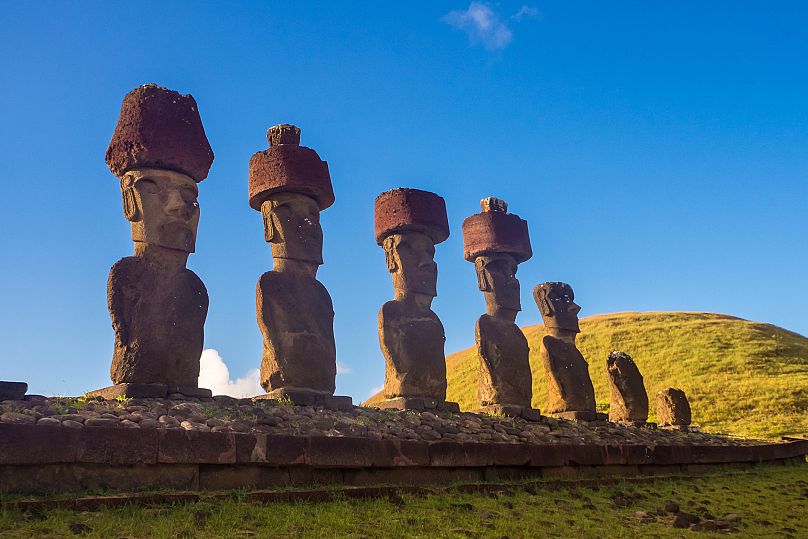
"We identified these coastal seeps all around the island. That suggests that when the island experiences these drought events, the seeps are one of the last water sources to be affected by it," DiNapoli said.
DiNapoli cho biết: "Chúng tôi đã xác định được những vết thấm ven biển này xung quanh hòn đảo. Điều đó cho thấy rằng khi hòn đảo trải qua những đợt hạn hán này, những vết thấm là một trong những nguồn nước cuối cùng bị ảnh hưởng bởi nó", DiNapoli nói.
As coastal seeps were still present despite the dry conditions, researchers have reason to believe that water may remain in underground aquifers for extended periods of time before seeping into the ocean.
Vì các vết thấm ven biển vẫn còn tồn tại bất chấp điều kiện khô hạn, các nhà nghiên cứu có lý do để tin rằng nước có thể tồn tại trong các tầng chứa nước ngầm trong một thời gian dài trước khi thấm ra đại dương.
Annually, 55 million people are affected by drought and four per cent of the global population experiences water scarcity. The UN has set a Sustainable Development Goal, that says all people must have access to water and sanitation by 2030.
Hàng năm, 55 triệu người bị ảnh hưởng bởi hạn hán và 4% dân số toàn cầu bị khan hiếm nước. Liên Hợp Quốc đã đặt ra Mục tiêu Phát triển Bền vững, trong đó nói rằng tất cả mọi người phải được tiếp cận với nước và vệ sinh vào năm 2030.
quirk: kỳ quặc
drone: máy bay không người lái
gain: thu được
harnessed: khai thác
nourish: nuôi
postdoctoral: hậu tiến sĩ
anthropology: nhân học
sink: bồn rửa
porous: sốp
bedrock: nền tảng
aquifer: tần chứa nước
sediment: trầm tích
concentrated: tập trung
pocket: túi
trickle: nhỏ giọt
fellow: đồng bọn
systemic: có hệ thống
utilize: tận dụng
thermal: nhiệt
shoreline: đường bờ
unplatable: tháo ra được
inhabitant: cư dân
habitat: thói quen
prone: dễ bị
vulnerable: dễ bị tổn thương
scarcity: sự khan hiếm
exacerbate: làm trầm trọng thêm
phenomenon: hiện tượng
grant: khoản trợ cấp
Nhận xét
Đăng nhận xét