Today, I am reading: Scientists have just discovered that plants can tell the time
Scientists have discovered that plants, like humans, have an ‘internal clock’ - meaning they are able to tell the time.
But what does this mean and could it improve agriculture? Plants have cells known as circadian/sɜːˈkeɪdiən/ clock genes, enabling/ɪˈneɪbl/enable them to measure daily and seasonal rhythms/ˈrɪðəm/. Understanding how this process works could lead to crop breeding/ˈbriːdɪŋ/ for higher yields/jiːld/ and more sustainable farming.
“We’ve discovered that plants grow much better when their internal clock is matched to the environment they grow in,” says Professor Alex Webb, Chair of Cell Signalling in the University of Cambridge’s Department of Plant Sciences and senior author of the April 2021 report.
How can plants tell the time?
“We live on a rotating/rəʊˈteɪtɪŋ/ planet, and that has a huge impact on our biology – and on the biology of plants,” Professor Webb explains.
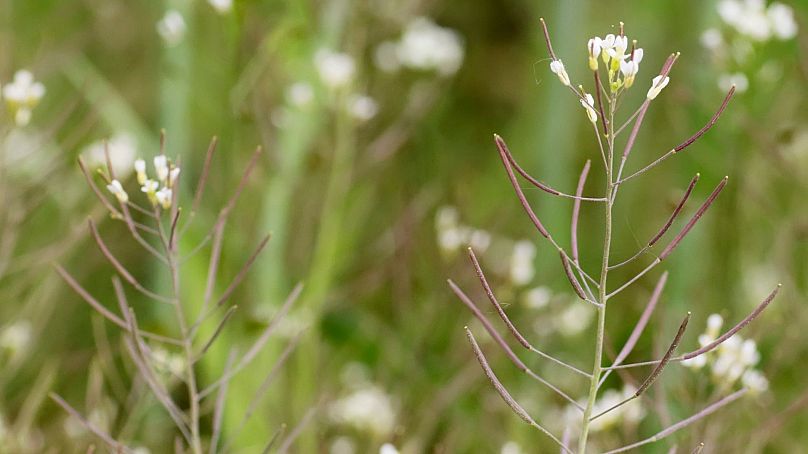
In the study, Cambridge scientists based their observations on a small flowering plant, arabidopsis thaliana, more commonly known as thale cress/kres/.
They found that the rhythmic supply of light we find in the day and night cycle leads to the evolution of circadian clocks. These clocks modulate/ˈmɒdjəleɪt/ most plant physiology, photosynthesis, metabolism, and development. It’s what scientists call ‘chronoculture.’
“Plants’ responses to pests are optimised/ˈɒptɪmaɪz/ – they’re most resistant/rɪˈzɪstənt/ to pests at the time of day the pests are active,” adds Webb. “So just a simple light in the refrigerated lorry/ˈlɒri/ going on and off to mimic/ˈmɪmɪk/ the day/ night cycle would use the plants’ internal clock to help improve storage and reduce waste.”
How useful could this be for agriculture?
The genes which control circadian rhythms in all major crops are similar and have many advantages.
The circadian system can contribute to the regulation of flowering, biomass, photosynthesis, water use, temperature stress responses, and pathogen defences, which are important yield components/kəmˈpəʊnənt/ in plant crops.
“We know from lab experiments that watering plants or applying pesticides/ˈpestɪsaɪd/ can be more effective at certain times of day, meaning farmers could use less of these resources. This is a simple win that could save money and contribute to sustainability,” notes Webb.
“Using water more efficiently/ɪˈfɪʃntli/ is an important sustainability goal for agriculture,” he adds.
The study found that with knowledge of the plants’ internal clock and the ability to change it through genetic modification/ˌmɒdɪfɪˈkeɪʃn/, the lighting and heating cycles could be matched to the plant for “highly efficient/ɪˈfɪʃnt/ growth.”
“In vertical/ˈvɜːtɪkl/ farming, chronoculture could give total control over the crop. We could breed specific crop plants with internal clocks suited to growing indoors, and optimise the light and temperature cycles for them,” says professor Webb.
Scientists believe that knowing plants’ internal clocks could also help reduce pest damage and provides an opportunity for chronoculture to make food production more sustainable.
The plant study also presents a similar idea which could be applied to human medicine: ‘chronomedicine’.This would mean that drugs are more effective when taken at a specific time of day.
Vocabulary:
dedicate /ˈdedɪkeɪt/: cống hiến, dâng hiến
generating: tạo ra
generate/ˈdʒenəreɪt/: tạo ra
general: chung
intensive: chuyên sâu
capacity /kəˈpæsəti/L sức chứa
appropriate: thích hợp
identity: danh tính
affirm: xác nhận
liberation: pháp lý
worthwhile:
circadian: sinh học( sinh lý)
enabling: cho phép
rhythms: nhịp điệu
breeding: chăn nuôi
yields: hoa lợi
match: trận đấu
rotating: luân phiên
thale
cress: cải xoang
modulate: ngâm nga
chronoculture:
optimised: tối ưu hóa
resistant: kháng cự
lorry: xe tải
mimic: bắt chước
components: các thành phần
pesticides: thuốc trừ sâu
efficiently: hiệu quả
modification: sự sử đổi
efficient: có hiệu quả
vertical: theo chiều dọc
optimise: tối ưu hóa
Translate:
Scientists have discovered that plants, like humans, have an ‘internal clock’ - meaning they are able to tell the time.
Các nhà khoa học đã phát hiện ra rằng thực vật, giống như con người, có một "đồng hồ bên trong" - nghĩa là chúng có thể cho biết thời gian.
But what does this mean and could it improve agriculture? Plants have cells known as circadian/sɜːˈkeɪdiən/ clock genes, enabling/ɪˈneɪbl/enable them to measure daily and seasonal rhythms/ˈrɪðəm/. Understanding how this process works could lead to crop breeding/ˈbriːdɪŋ/ for higher yields/jiːld/ and more sustainable farming.
Nhưng điều này có nghĩa là gì và nó có thể cải thiện nông nghiệp không? Thực vật có các tế bào được gọi là gen đồng hồ sinh học, cho phép chúng đo nhịp điệu hàng ngày và theo mùa. Hiểu được cách thức hoạt động của quá trình này có thể dẫn đến việc nhân giống cây trồng để có năng suất cao hơn và canh tác bền vững hơn.
“We’ve discovered that plants grow much better when their internal clock is matched to the environment they grow in,” says Professor Alex Webb, Chair of Cell Signalling in the University of Cambridge’s Department of Plant Sciences and senior author of the April 2021 report.
"Chúng tôi đã phát hiện ra rằng thực vật phát triển tốt hơn nhiều khi đồng hồ bên trong của chúng phù hợp với môi trường chúng phát triển", Giáo sư Alex Webb, Chủ tịch Tín hiệu Tế bào tại Khoa Khoa học Thực vật của Đại học Cambridge và là tác giả cao cấp của báo cáo tháng 4 năm 2021 cho biết .
How can plants tell the time?
“We live on a rotating/rəʊˈteɪtɪŋ/ planet, and that has a huge impact on our biology – and on the biology of plants,” Professor Webb explains.
“Chúng ta đang sống trên hành tinh Quay, và điều đó có tác động rất lớn đến sinh học của chúng ta - và sinh học của thực vật,” Giáo sư Webb giải thích.
In the study, Cambridge scientists based their observations on a small flowering plant, arabidopsis thaliana, more commonly known as thale cress/kres/.
Trong nghiên cứu, các nhà khoa học Cambridge đã dựa trên những quan sát của họ về một loài thực vật nhỏ của Hoa, arabidopsis thaliana, hay còn gọi là đá đĩa cải xoong.
They found that the rhythmic supply of light we find in the day and night cycle leads to the evolution of circadian clocks. These clocks modulate/ˈmɒdjəleɪt/ most plant physiology, photosynthesis, metabolism, and development. It’s what scientists call ‘chronoculture.’
Họ phát hiện ra rằng nguồn cung cấp ánh sáng nhịp nhàng mà chúng ta tìm thấy trong chu kỳ ngày và đêm dẫn đến sự phát triển của đồng hồ sinh học. Những chiếc đồng hồ này điều chế hầu hết sinh lý thực vật, quang hợp, trao đổi chất và phát triển. Đó là cái mà các nhà khoa học gọi là 'văn hóa thời gian'.
“Plants’ responses to pests are optimised/ˈɒptɪmaɪz/ – they’re most resistant/rɪˈzɪstənt/ to pests at the time of day the pests are active,” adds Webb. “So just a simple light in the refrigerated lorry/ˈlɒri/ going on and off to mimic/ˈmɪmɪk/ the day/ night cycle would use the plants’ internal clock to help improve storage and reduce waste.”
Webb cho biết thêm: “Các phản ứng của thực vật đối với sâu bệnh được tối ưu hóa - chúng có khả năng kháng sâu bệnh nhất vào thời điểm chúng hoạt động trong ngày”. “Vì vậy, chỉ cần một ánh sáng đơn giản trong xe tải chạy và tắt để bắt chước chu kỳ ngày / đêm sẽ sử dụng đồng hồ bên trong của nhà máy để giúp cải thiện khả năng lưu trữ và giảm thiểu chất thải.”
How useful could this be for agriculture?
The genes which control circadian rhythms in all major crops are similar and have many advantages.
Các gen kiểm soát nhịp sinh học ở tất cả các loại cây trồng chính đều giống nhau và có nhiều ưu điểm.
The circadian system can contribute to the regulation of flowering, biomass, photosynthesis, water use, temperature stress responses, and pathogen defences, which are important yield components/kəmˈpəʊnənt/ in plant crops.
Hệ thống sinh học có thể góp phần điều chỉnh quá trình ra hoa, sinh khối, quang hợp, sử dụng nước, phản ứng với căng thẳng nhiệt độ và khả năng phòng vệ mầm bệnh, là những thành phần năng suất quan trọng trong cây trồng.
“We know from lab experiments that watering plants or applying pesticides/ˈpestɪsaɪd/ can be more effective at certain times of day, meaning farmers could use less of these resources. This is a simple win that could save money and contribute to sustainability,” notes Webb.
“Từ các thí nghiệm trong phòng thí nghiệm, chúng tôi biết rằng việc tưới cây hoặc sử dụng thuốc trừ sâu có thể hiệu quả hơn vào những thời điểm nhất định trong ngày, nghĩa là nông dân có thể sử dụng ít hơn những nguồn tài nguyên này. Đây là một chiến thắng đơn giản có thể tiết kiệm tiền và góp phần vào sự bền vững, ”Webb lưu ý.
“Using water more efficiently/ɪˈfɪʃntli/ is an important sustainability goal for agriculture,” he adds.
Ông nói thêm: “Sử dụng nước hiệu quả hơn là một mục tiêu bền vững quan trọng đối với nông nghiệp.
The study found that with knowledge of the plants’ internal clock and the ability to change it through genetic modification/ˌmɒdɪfɪˈkeɪʃn/, the lighting and heating cycles could be matched to the plant for “highly efficient/ɪˈfɪʃnt/ growth.”
Nghiên cứu cho thấy rằng với kiến thức về đồng hồ bên trong của thực vật và khả năng thay đổi nó thông qua chỉnh sửa gen, các chu kỳ chiếu sáng và sưởi ấm có thể phù hợp với thực vật để “tăng trưởng hiệu quả cao”.
“In vertical/ˈvɜːtɪkl/ farming, chronoculture could give total control over the crop. We could breed specific crop plants with internal clocks suited to growing indoors, and optimise the light and temperature cycles for them,” says professor Webb.
“Trong canh tác theo chiều dọc, canh tác theo thời gian có thể mang lại toàn quyền kiểm soát vụ mùa. Chúng tôi có thể lai tạo các loại cây trồng cụ thể với đồng hồ bên trong phù hợp để trồng trong nhà và tối ưu hóa chu kỳ ánh sáng và nhiệt độ cho chúng, ”giáo sư Webb nói.
Scientists believe that knowing plants’ internal clocks could also help reduce pest damage and provides an opportunity for chronoculture to make food production more sustainable.
Các nhà khoa học tin rằng biết đồng hồ bên trong của thực vật cũng có thể giúp giảm thiệt hại do sâu bệnh và tạo cơ hội cho việc canh tác theo thời gian để sản xuất lương thực bền vững hơn.
The plant study also presents a similar idea which could be applied to human medicine: ‘chronomedicine’.This would mean that drugs are more effective when taken at a specific time of day.
Nghiên cứu về thực vật cũng đưa ra một ý tưởng tương tự có thể được áp dụng cho y học của con người: ‘chronomedicine’.Điều này có nghĩa là thuốc sẽ hiệu quả hơn khi được dùng vào một thời điểm cụ thể trong ngày.
Nhận xét
Đăng nhận xét