Today, I am reading: Have scientists found a lifeline for coral reefs bleached by climate change?

Coral/ˈkɒrəl/ bleaching/bliːtʃ/ is one of our climate’s most pressing/ˈpresɪŋ/, seemingly irreversible/ˌɪrɪˈvɜːsəbl/ problems.
Close observations from scientists at the University of Pennsylvania have found that there might still be hope for our ocean habitats. Newly discovered, highly heat-stress resistant coral reefs could help restore/rɪˈstɔː(r)/ degraded/dɪˈɡreɪd/ reefs.
Research shows that rare groupings of coral that are naturally able to resist/rɪˈzɪst/ bleaching can, in many cases, be transported to a new location and cultivated elsewhere. This level of resistance has promising implications/ˌɪmplɪˈkeɪʃn/ for ocean ecosystems/ˈiːkəʊsɪstəm/ sorely/ˈsɔːli/ affected by bleaching.
It is rare for these reefs to withstand warming ocean temperatures, which have been increasingly commonplace since the world’s first major bleaching incident in 1998.
How was this discovery made?
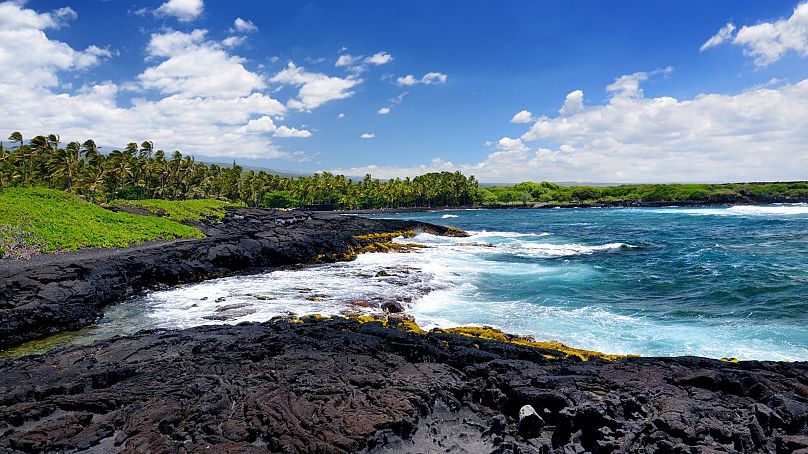
Two sets of climate change-resistant reefs were placed into Hawaiian waters under different conditions to test their tenacity/təˈnæsəti/.
The team chose Hawaii due to its chronic problems with warmer-than-normal ocean temperatures. The island has seen almost half of its coral reefs affected by the problem since 2015.
After they had spent six months at their new location, the biologists also put coral samples from each site in tanks/tæŋk/ in the lab. They then simulated/ˈsɪmjuleɪtɪd/ another bleaching event by raising the water temperature over a period of several days.
Concerns were raised that the coral reefs, like many plants, would falter/ˈfɔːltə(r)/ in the face of a new environment. Everything from food access to light availability bears some influence on their ability to thrive.
Periods of careful tracking took place, where photosynthesis rates, metabolism, calcification/ˌkælsɪfɪˈkeɪʃn/, and the health of the symbiotic algae/ˈældʒiː/ were monitored. The team found that bleaching-resistant corals stayed the same, even after facing a new environment.
"The big thing that we were really interested in here was trying to experimentally test whether you can take a coral that seems to be resistant to climate change and use that as the seed stock to propagate/ˈprɒpəɡeɪt/ and put out on a different reef that might be degraded," says Dr Katie Barott, who lead the research.
"The cool thing was we didn't see any differences in their bleaching response after this transplant."
A stopgap more than a solution
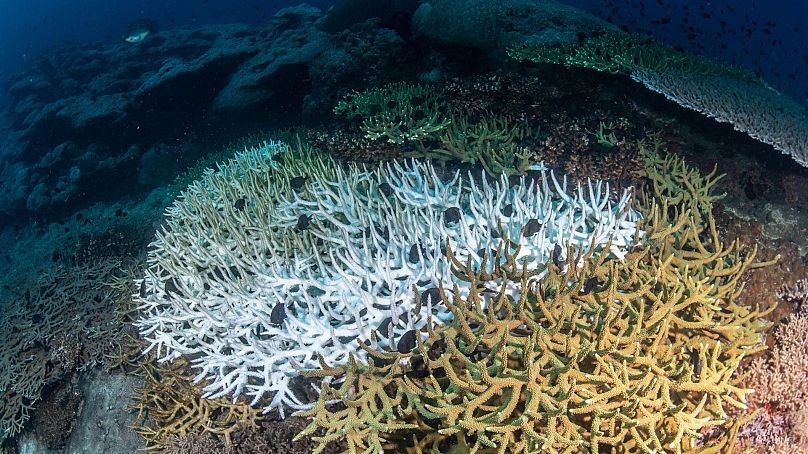
In the words of the World Wildlife Fund - coral bleaching matters because once these corals die, reefs rarely come back.
Millions of species are threatened each year by the process, which leads to the /ɪˈrepərəbl/irreparable destruction of ocean ecosystems, loss of habitats to fish and the deterioration/dɪˌtɪəriəˈreɪʃn/ of the gorgeous/ˈɡɔːdʒəs/ patchwork/ˈpætʃwɜːk/ colours the ocean floors hold.
"I think techniques like this can buy us a little bit of time, but there isn't a substitute for capping carbon emissions," Dr Barott says.
"We need global action on climate change because even bleaching-resistant corals aren't going to survive forever if ocean warming keeps increasing as fast as it is today."
Vocabulary:
indigenous: bản đại
coral: săn hô
reef: đá ngầm
bleaching: tẩy trắng
pressing: bức xúc
irreversible: không thể thay đổi
restore: khôi phục lại
degraded: giảm súc chất lượng
biodegradation: phân hủy sinh học
resist: kháng cự
implications: hàm ý
ecosystems: hệ sinh thái
sorely: đau đớn
incident: biến cố
tenacity: sự bền bĩ
tanks: thùng chứa( xe tăng)
simulated: mô phỏng
falter: chùn nước
calcification: sự vôi hóa
algae: tảo
propagate: tuyên truyền
stopgap:
irreparable: không thể khắc phục
deterioration: giảm giá trị
gorgeous: rực rỡ
patchwork: sự chấp vá
Translate:
Coral/ˈkɒrəl/ bleaching/bliːtʃ/ is one of our climate’s most pressing/ˈpresɪŋ/, seemingly irreversible/ˌɪrɪˈvɜːsəbl/ problems.
Tẩy trắng san hô là một trong những vấn đề cấp bách nhất của khí hậu, dường như không thể cứu vãn được.
Close observations from scientists at the University of Pennsylvania have found that there might still be hope for our ocean habitats. Newly discovered, highly heat-stress resistant coral reefs could help restore/rɪˈstɔː(r)/ degraded/dɪˈɡreɪd/ reefs.
Các quan sát chặt chẽ từ các nhà khoa học tại Đại học Pennsylvania đã phát hiện ra rằng có thể vẫn còn hy vọng cho môi trường sống ở đại dương của chúng ta. Các rạn san hô mới được phát hiện, có khả năng chịu nhiệt cao có thể giúp phục hồi các rạn đã bị suy thoái.
Research shows that rare groupings of coral that are naturally able to resist/rɪˈzɪst/ bleaching can, in many cases, be transported to a new location and cultivated elsewhere. This level of resistance has promising implications/ˌɪmplɪˈkeɪʃn/ for ocean ecosystems/ˈiːkəʊsɪstəm/ sorely/ˈsɔːli/ affected by bleaching.
Nghiên cứu cho thấy rằng các nhóm san hô hiếm có khả năng chống lại sự tẩy trắng một cách tự nhiên, trong nhiều trường hợp, có thể được vận chuyển đến một địa điểm mới và nuôi trồng ở nơi khác. Mức độ kháng cự này có những tác động đầy hứa hẹn đối với các hệ sinh thái đại dương bị ảnh hưởng nặng nề bởi quá trình tẩy trắng.
It is rare for these reefs to withstand warming ocean temperatures, which have been increasingly commonplace since the world’s first major bleaching incident in 1998.
Hiếm khi những rạn san hô này có thể chịu được nhiệt độ đại dương ấm lên, vốn ngày càng phổ biến kể từ sự cố tẩy trắng lớn đầu tiên trên thế giới vào năm 1998.
How was this discovery made?
Làm thế nào khám phá này được thực hiện?
Two sets of climate change-resistant reefs were placed into Hawaiian waters under different conditions to test their tenacity/təˈnæsəti/.
Hai bộ rạn san hô chịu được biến đổi khí hậu đã được đặt vào vùng biển Hawaii trong những điều kiện khác nhau để kiểm tra độ bền của chúng.
The team chose Hawaii due to its chronic problems with warmer-than-normal ocean temperatures. The island has seen almost half of its coral reefs affected by the problem since 2015.
Nhóm nghiên cứu đã chọn Hawaii do các vấn đề kinh niên của nó với nhiệt độ đại dương ấm hơn bình thường. Hòn đảo này đã chứng kiến gần một nửa số rạn san hô bị ảnh hưởng bởi sự cố kể từ năm 2015.
After they had spent six months at their new location, the biologists also put coral samples from each site in tanks/tæŋk/ in the lab. They then simulated/ˈsɪmjuleɪtɪd/ another bleaching event by raising the water temperature over a period of several days.
Sau khi ở địa điểm mới sáu tháng, các nhà sinh vật học cũng đưa các mẫu san hô từ mỗi địa điểm vào các bể chứa trong phòng thí nghiệm. Sau đó, họ mô phỏng một sự kiện tẩy trắng khác bằng cách tăng nhiệt độ nước trong khoảng thời gian vài ngày.
Concerns were raised that the coral reefs, like many plants, would falter/ˈfɔːltə(r)/ in the face of a new environment. Everything from food access to light availability bears some influence on their ability to thrive.
Người ta lo ngại rằng các rạn san hô, giống như nhiều loài thực vật, sẽ chùn bước khi đối mặt với một môi trường mới. Tất cả mọi thứ từ việc tiếp cận thức ăn đến sự sẵn có của ánh sáng đều có ảnh hưởng nhất định đến khả năng phát triển của chúng.
Periods of careful tracking took place, where photosynthesis rates, metabolism, calcification/ˌkælsɪfɪˈkeɪʃn/, and the health of the symbiotic algae/ˈældʒiː/ were monitored. The team found that bleaching-resistant corals stayed the same, even after facing a new environment.
Các giai đoạn theo dõi cẩn thận đã diễn ra, tại đó tốc độ quang hợp, quá trình trao đổi chất, canxi hóa và sức khỏe của tảo cộng sinh được theo dõi. Nhóm nghiên cứu phát hiện ra rằng san hô có khả năng chống tẩy trắng vẫn không thay đổi, ngay cả khi đối mặt với môi trường mới.
"The big thing that we were really interested in here was trying to experimentally test whether you can take a coral that seems to be resistant to climate change and use that as the seed stock to propagate/ˈprɒpəɡeɪt/ and put out on a different reef that might be degraded," says Dr Katie Barott, who lead the research.
"Điều lớn mà chúng tôi thực sự quan tâm ở đây là cố gắng thử nghiệm thực nghiệm xem bạn có thể lấy một loài san hô có vẻ như có khả năng chống lại biến đổi khí hậu và sử dụng nó làm nguồn giống để nhân giống và đưa ra một rạn san hô khác có thể bị suy thoái hay không. "Tiến sĩ Katie Barott, người đứng đầu cuộc nghiên cứu cho biết.
"The cool thing was we didn't see any differences in their bleaching response after this transplant."
"Điều thú vị là chúng tôi không thấy bất kỳ sự khác biệt nào trong phản ứng tẩy trắng của họ sau ca cấy ghép này."
A stopgap more than a solution
In the words of the World Wildlife Fund - coral bleaching matters because once these corals die, reefs rarely come back.
Theo cách nói của Quỹ Động vật Hoang dã Thế giới - vấn đề tẩy trắng san hô vì một khi những san hô này chết đi, các rạn san hô hiếm khi quay trở lại.
Millions of species are threatened each year by the process, which leads to the /ɪˈrepərəbl/irreparable destruction of ocean ecosystems, loss of habitats to fish and the deterioration/dɪˌtɪəriəˈreɪʃn/ of the gorgeous/ˈɡɔːdʒəs/ patchwork/ˈpætʃwɜːk/ colours the ocean floors hold.
Hàng triệu loài đang bị đe dọa mỗi năm bởi quá trình này, dẫn đến sự tàn phá không thể khắc phục của các hệ sinh thái đại dương, mất môi trường sống cho cá và làm suy giảm màu sắc chắp vá tuyệt đẹp của các đáy đại dương.
"I think techniques like this can buy us a little bit of time, but there isn't a substitute for capping carbon emissions," Dr Barott says.
Tiến sĩ Barott nói: “Tôi nghĩ rằng những kỹ thuật như thế này có thể giúp chúng ta mất một ít thời gian, nhưng không thể thay thế cho việc giới hạn lượng khí thải carbon.
"We need global action on climate change because even bleaching-resistant corals aren't going to survive forever if ocean warming keeps increasing as fast as it is today."
"Chúng ta cần hành động toàn cầu về biến đổi khí hậu vì ngay cả san hô kháng thuốc tẩy trắng cũng không thể tồn tại mãi mãi nếu sự ấm lên của đại dương tiếp tục tăng nhanh như hiện nay."
Nhận xét
Đăng nhận xét